Thursday, February 24, 2011

Consultation


95% of people that diet fail according to the FTC. In order to succeed long term, people need to understand and be able to life a healthy lifestyle. In our free initial consultation we will draw up a personalized graph based on the 5 components of fitness that will start you on your way to ultimate health! These consultations can be over the phone or at our office! To learn more about the program click HERE!
To sign up for a free consultation enter your info HERE!

Tuesday, February 8, 2011

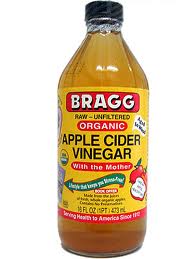
Scientific Evidence of Apple Cider Vinegar Benefits


Scientific Evidence of Apple Cider Vinegar Benefits

Does Apple cider vinegar work?

There are some medical uses of vinegar that do have promise, at least according to a few studies. Here's a rundown of some more recent ones.

* Diabetes. The effect of vinegar on blood sugar levels is perhaps the best-researched and the most promising of apple cider vinegar's possible health benefits. Several studies have found that vinegar may help lower glucose levels. For instance, one 2007 study of 11 people with type 2 diabetes found that taking two tablespoons of apple cider vinegar before bed lowered glucose levels in the morning by 4%-6%. (Lower blood sugar works better on a diet)

* High cholesterol . A 2006 study showed evidence that vinegar could lower cholesterol. However, the study was done in rats, so it's too early to know how it might work in people.

* Blood pressure and heart health. Another study in rats found that vinegar could lower high blood pressure. A large observational study also found that people who ate oil and vinegar dressing on salads five to six times a week had lower rates of heart disease than people who didn't. However, it's far from clear that the vinegar was the reason.

* Cancer . A few laboratory studies have found that vinegar may be able to kill cancer cells or slow their growth. Observational studies of people have been confusing. One found that eating vinegar was associated with a decreased risk of esophageal cancer. Another associated it with an increased risk of bladder cancer.

* Weight Loss . For thousands of years, vinegar has been used for weight loss. White vinegar (and perhaps other types) might help people feel full. A 2005 study of 12 people found that those who ate a piece of bread along with small amounts of white vinegar felt fuller and more satisfied than those who just ate the bread.

While the results of these studies are promising, they are all preliminary. Many were done on animals or on cells in a lab. The human studies have been small. Before we will truly know whether vinegar has any health benefits, much larger studies are needed.

Monday, February 7, 2011

Black Rice


Getting your antioxidants from fresh berries can be pricey. A new report from the scientists at Louisiana State University shows black rice is higher than blueberries in the powerful free-radical buster anthocyanin-while supplying more vitamin E and fiber... Use black rice in place of instant or white rice, or brown rice.

Monday, January 31, 2011

Amaranth


It was the staple food of the Aztecs, but this tiny pale-golden seed isn't well know in the United States. Too bad- it's a nutrient powerhouse. A cup has about nine grams of protein; lots of nutrients like iron, calcium, and magnesium; cholesterol-lowering phytosterols; and a complete amino-acid profile. Cook it just like rice-- 2 parts water to 1 part grain

Wednesday, January 19, 2011

Perseverance


In the confrontation between the stream and the rock, the stream always wins... not through strength but by perseverance.
~H. Jackson Brown

Tuesday, January 18, 2011

A big breakfast doesn't reduce calorie intake!


It's a myth that eating a large breakfast means consuming fewer calories during the day, according to researchers in Germany.

The study, published in Nutrition Journal, showed that people still eat the same amount at lunch and dinner.

The scientists suggest reducing breakfast calories could help people lose weight.

The British Dietetic Association said eating breakfast was important for a balanced diet.

Starting the day with a hearty breakfast has often been linked with weight loss.
Not cutting back

The team at the University of Munich followed nearly 400 people for 14 days.

The patients kept a diary of what they ate, at what time and how much it weighed.

Some had large breakfasts, some small and some skipped the meal.

People who had a big breakfast, on average 400 calories larger than a small one, consumed around 400 more calories in a day.

Dr Volker Schusdziarra, lead researcher, said: "The results of the study showed that people ate the same at lunch and dinner, regardless of what they had for breakfast."

Experts still say that breakfast has an important role to play.

Sian Porter, spokeswoman for the British Dietetic Association, said: "It has been shown that people who eat breakfast have more balanced diets than those who skip this meal, are less likely to be overweight, lose weight more successfully and have reduced risk of certain diseases.

"Missing breakfast may lead you to snack on less healthy foods later on in the morning and you won't necessarily catch up nutritionally later in the day if you skip breakfast."